

Stay Active While Traveling
Fun Ways to Stay Active While Traveling
Contents
Travel often disrupts structured fitness routines, but it also creates opportunities for varied and functional physical activity. Movement during travel does not need to follow traditional workout formats. Instead, it can be integrated into exploration, transportation, and recreation.
Maintaining activity while traveling requires selecting adaptable, environment-driven activities that align with location and schedule.
Walking Tours for Low-Impact Endurance [ Stay Active While Traveling ]
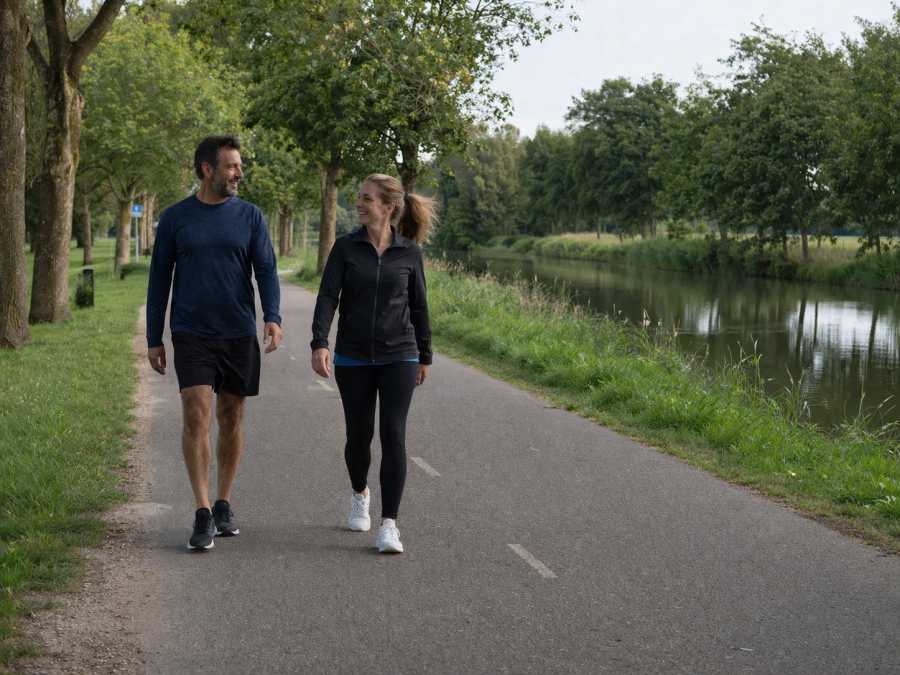
Walking tours provide consistent, low-impact cardiovascular activity while allowing exploration of new environments. Unlike stationary workouts, walking in varied terrain introduces natural intensity changes.
Urban walking involves stop-and-go patterns, while historical or nature-based tours may include elevation changes. These variations improve endurance and joint mobility without excessive strain.
Structured walking routes also reduce reliance on transportation, increasing daily movement naturally.
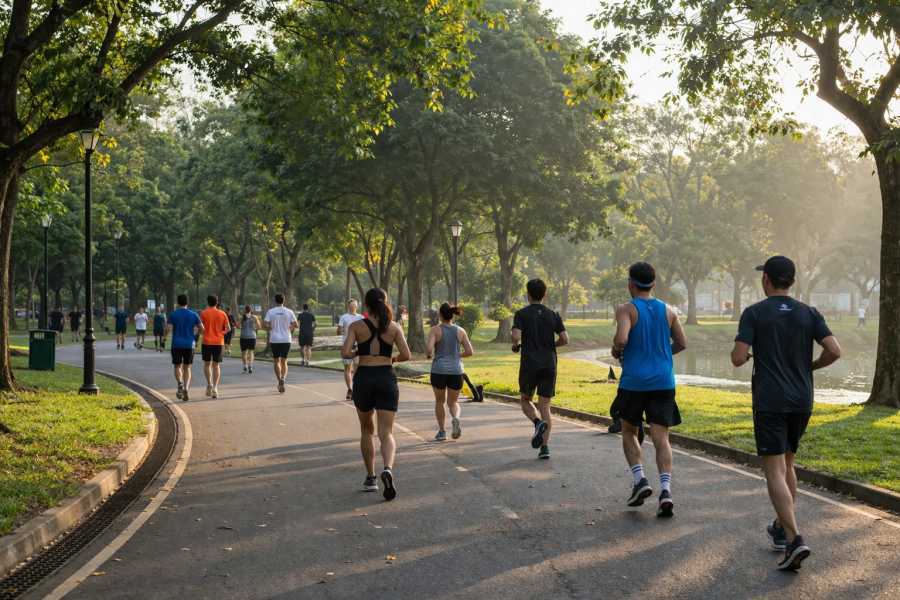
Hiking and Nature Exploration [ Stay Active While Traveling ]
Hiking introduces moderate to high-intensity activity depending on terrain and elevation. Trails require balance, coordination, and sustained effort, engaging multiple muscle groups.
Environmental variability such as uneven ground or incline improves proprioception and muscular stability. This type of activity provides both cardiovascular and strength benefits.
Hiking is particularly effective because it combines physical exertion with environmental engagement, increasing adherence and enjoyment.
Cycling for Efficient Movement
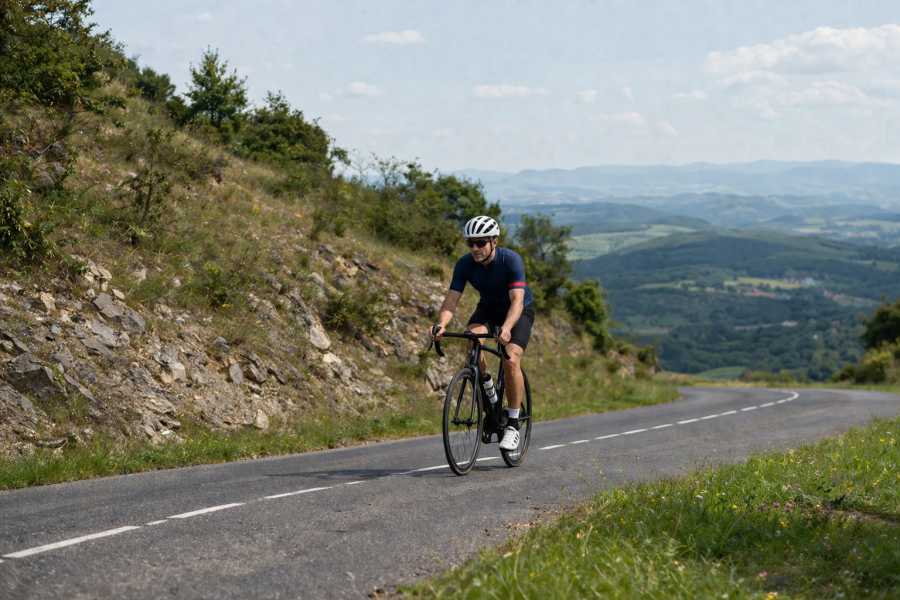
Cycling is a practical way to cover distance while maintaining moderate cardiovascular activity. Many travel destinations offer bike rentals, making it accessible without additional equipment.
Cycling efficiency allows travelers to explore larger areas compared to walking. It also reduces joint impact while maintaining consistent energy output.
Route selection can adjust intensity, from flat urban paths to more challenging terrain.
Recreational Sports and Group Activities [ Stay Active While Traveling ]
Participating in local sports or casual games introduces high-intensity, intermittent activity. Sports such as soccer, volleyball, or pickup games provide both physical exertion and social interaction.
Wearing appropriate gear, including custom soccer jerseys, improves comfort and coordination during play, especially in team-based environments.
Recreational sports offer:
- Rapid bursts of activity combined with recovery periods
- Development of agility and coordination
- Increased motivation through group participation
These activities provide effective exercise without structured training sessions.
Swimming and Water-Based Activities [ Stay Active While Traveling ]
Swimming provides full-body engagement with minimal joint stress. It is particularly useful in coastal or resort destinations.
Water resistance increases muscular effort while maintaining low impact. Activities such as snorkeling or paddleboarding add variation and extend duration.
Swimming supports:
- Cardiovascular endurance
- Muscular strength across multiple groups
- Recovery through low-impact movement
Water-based activities are adaptable to different fitness levels.
Bodyweight Training in Limited Spaces [ Stay Active While Traveling ]
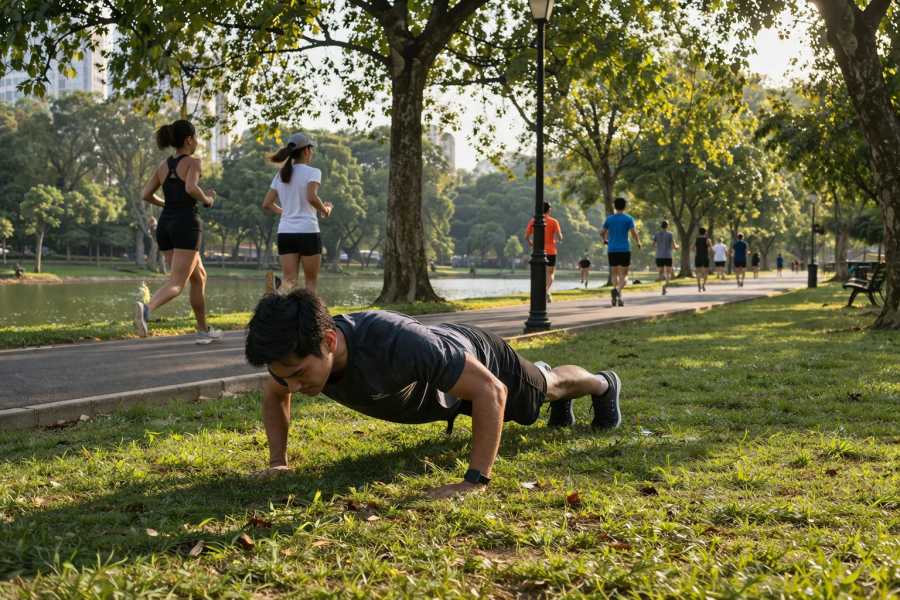
Travel often limits access to equipment, making bodyweight exercises a practical solution. Exercises such as push-ups, squats, and planks can be performed in small spaces.
Short sessions can be integrated into daily routines without disrupting travel schedules. Intensity can be adjusted through repetition and tempo.
Bodyweight training maintains strength and mobility during periods of limited access to facilities.
Active Transportation Choices
Choosing active forms of transportation increases daily movement without requiring additional time. Walking between locations, using stairs, or cycling instead of driving contributes to overall activity levels.
These choices accumulate throughout the day, providing consistent physical engagement.
Active transportation improves:
- Energy expenditure without dedicated workouts
- Time efficiency during travel
- Integration of movement into routine activities
This approach supports sustainable activity levels.
Adventure Activities for High-Intensity Engagement [ Stay Active While Traveling ]
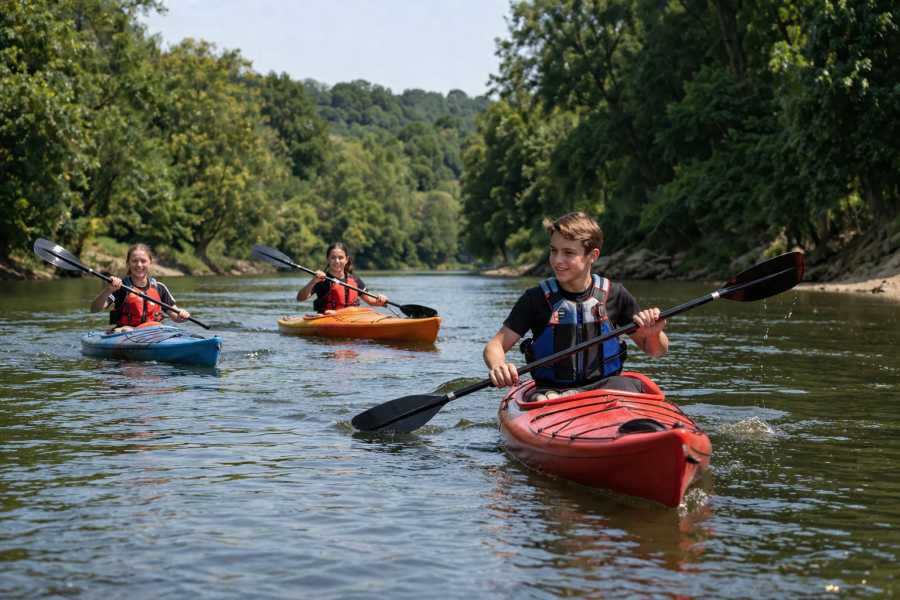
Adventure-based activities such as kayaking, climbing, or zip-lining introduce higher intensity movement in controlled environments.
These activities require strength, coordination, and focus. They also provide unique physical challenges not typically encountered in daily routines.
Adventure activities are effective because they combine novelty with physical demand.
Stretching and Mobility in Transit [ Stay Active While Traveling ]
Long travel periods, such as flights or extended sitting, reduce mobility and increase stiffness. Incorporating stretching routines helps maintain flexibility and circulation.
Simple movements targeting the hips, back, and shoulders can be performed in confined spaces. These exercises prevent discomfort and improve readiness for activity.
Mobility work ensures that the body remains functional despite prolonged inactivity.
Consistency Through Flexible Planning
The effectiveness of staying active while traveling depends on consistency rather than intensity. Flexible planning allows movement to adapt to changing schedules and environments.
Combining multiple low- to moderate-intensity activities throughout the day often produces better results than attempting a single structured workout.
Consistency ensures:
- Sustained energy levels during travel
- Reduced physical fatigue from inactivity
- Maintenance of overall fitness
Adaptability is key to maintaining activity across different locations.
Staying active while traveling requires integrating movement into daily experiences rather than relying on structured gym routines. Activities such as walking, hiking, cycling, and recreational sports provide effective alternatives that align with travel conditions. By prioritizing consistency and adaptability, travelers can maintain physical activity while fully engaging with their surroundings.
More Stories
- Holy Week Philippines: 7 Travel Destinations for Reflection & Relaxation
- Holy Week in Negros: A Quiet Retreat from the Crowds
- PLACES TO VISIT IN CEBU + TOURS AND THINGS TO DO
- BABAYLAN FESTIVAL History + Schedule Of Activities | Bago City
- Holiday Travel Tips: Fly Smoothly with Cebu Pacific
- 7 Must-Visit Destinations in Thailand | Crazy Sxy Fun Traveler
- IBALONG FESTIVAL SCHEDULE OF ACTIVITIES
- Kristin’s Steakhouse : Where Steak Finds You in Bacolod
- Embracing The Great Outdoors: Travel Adventures With E-Bikes
- STAYCATION IDEAS | PLANNING A BUDGET FRIENDLY GETAWAY