
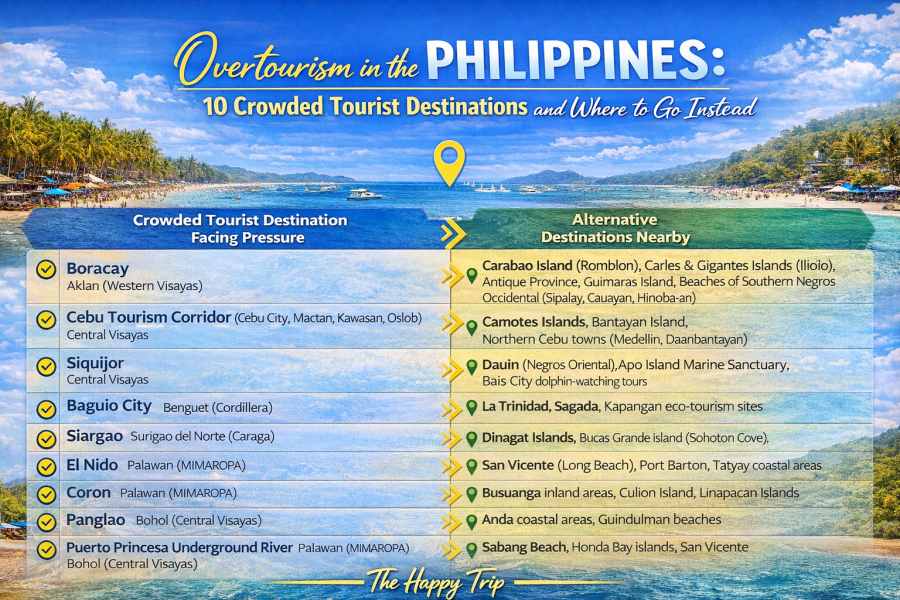
Philippine Overtourism : Crowded Destinations, Alternative Places
Philippine Overtourism: 10 Crowded Destinations and their Alternative Places
Contents

1. Boracay (Aklan) [ Philippine Overtourism ]
1.1 Overview
Boracay is one of the most internationally recognized beach destinations in the Philippines. Its white sand beaches and nightlife attract millions of domestic and foreign tourists annually.
1.2 Latest Tourism Statistics
Boracay recorded 2,077,977 tourist arrivals in 2024, including 1.64 million domestic tourists and 412,803 international visitors.
Source:
https://newsinfo.inquirer.net/2030699/boracay-tourist-arrivals-slightly-dip-in-2024
Tourism continued to grow in 2025 with 2,155,217 visitors.
1.3 Why Tourism Pressure Exists
Boracay’s land area is only about 10.32 square kilometers, meaning millions of visitors concentrate in a relatively small space. High tourist density places pressure on waste management, water supply, and coastal ecosystems.
1.4 Economic Impact
Tourism drives the local economy by supporting hotels, restaurants, transportation services, and local retail businesses. The tourism industry also provides employment to thousands of residents.
1.5 Impact on Tourist Experience
While Boracay’s popularity reflects its global appeal, tourism pressure can affect visitor satisfaction in several ways.
During peak seasons, overcrowded beaches, congestion along major streets, and long queues for transport and activities may reduce the overall quality of the travel experience. Infrastructure issues can also arise when visitor numbers exceed service capacity.
For example, recent reports noted power outages affecting the island, raising concerns about infrastructure readiness in the face of growing tourist arrivals.
Such conditions may influence tourist perceptions, service quality, and overall satisfaction, especially for visitors expecting a tranquil beach environment. If not carefully managed, these pressures could affect Boracay’s reputation as a premium destination.
1.6 Government Response
The national government temporarily closed Boracay in 2018 for environmental rehabilitation to address sewage and infrastructure problems.
Source:
https://www.tourism.gov.ph/news_and_updates/boracay-rehabilitation/
1.7 Nearby Alternative Destinations
- Carabao Island (Romblon) – A quiet island near Boracay known for pristine beaches, limestone cliffs, and an unhurried island lifestyle.
- Carles and the Gigantes Islands (Iloilo) – A cluster of dramatic limestone islands famous for powdery sandbars, turquoise waters, and affordable island-hopping adventures.
- Antique Province – A coastal province offering eco-tourism experiences, rivers, mountains, and uncrowded beaches along the western side of Panay Island.
- Guimaras Island – A peaceful island destination celebrated for sweet mangoes, small beach coves, and relaxed countryside tourism.
- Beaches of Southern Negros Occidental (Sipalay, Cauayan, Hinoba-an) – A stretch of scenic and relatively uncrowded beaches known for diving sites, limestone formations, and resort coves.
These areas offer similar beach experiences but with significantly fewer tourists.

2. Cebu Tourism Corridor (Central Visayas) [ Philippine Overtourism ]
2.1 Overview
Cebu serves as a major tourism gateway due to its international airport, historic landmarks, and coastal attractions.
2.2 Latest Tourism Statistics
Central Visayas recorded 7,517,450 tourist arrivals in 2024, representing a 37% increase from 2023.
Source:
https://www.sunstar.com.ph/cebu/central-visayas-logs-75m-tourists-in-2024
2.3 Why Tourism Pressure Exists
Cebu hosts major attractions such as Kawasan Falls, Oslob whale shark watching, and Mactan Island resorts. High visitor numbers often concentrate in specific sites.
2.4 Economic Impact
Tourism generated ₱125.9 billion in tourism receipts in 2024 in Central Visayas.
Source:
https://mytv.ph/article/2024_tourist_arrivals_bring_in_P125_billion_for_Central_Visayas_
2.5 Impact on Tourist Experience
The concentration of tourism in the **Cebu Tourism Corridor—particularly Cebu City, Mactan, Kawasan Falls, and Oslob—**can affect the quality of visitor experiences, especially during peak travel periods.
Popular attractions such as Kawasan Falls and the whale shark watching area in Oslob often receive large numbers of visitors, resulting in long queues for tours, boat rides, and transport services. Traffic congestion in Metro Cebu can also lengthen travel time between attractions, reducing the time tourists spend at destinations.
High demand may also lead to increased prices for accommodations and tours, particularly during holidays and festivals. Environmental pressure is another concern, particularly in marine tourism sites such as Oslob’s whale shark interaction area.
Source:
https://newsinfo.inquirer.net/1013218/whale-shark-tourism-oslob-cebu
These factors may affect overall tourist satisfaction, particularly for visitors seeking a more relaxed island experience.
2.6 Government Response
Regional tourism authorities have promoted alternative destinations within Cebu province to distribute visitors more evenly.
2.7 Nearby Alternative Destinations
- Camotes Islands – A group of laid-back islands in Cebu Province known for quiet beaches, caves, and lakes, offering a slower alternative to the busy tourism hubs of Cebu City and Mactan.
- Bantayan Island – A coastal island municipality in northern Cebu famous for its white sand beaches and relaxed island atmosphere, far from the congestion of Cebu’s main tourism corridor.
- Northern Cebu towns (Medellin, Daanbantayan) – Emerging coastal destinations within Cebu Province that offer beaches, island views, and rural charm outside the heavily visited areas of Cebu City and Mactan.

3. Siquijor [ Philippine Overtourism ]
3.1 Overview
Siquijor is known for its beaches, waterfalls, and mysticism-inspired cultural tourism.
3.2 Latest Tourism Statistics
Siquijor recorded 241,529 tourist arrivals in 2024, surpassing pre-pandemic levels.
Source:
https://business.inquirer.net/512457/siquijor-on-the-map-a-rising-star-in-ph-tourism
Tourism increased further to 273,000 visitors in 2025.
Source:
https://pia.gov.ph/news/siquijor-tourism-notes-positive-growth-in-2025/
3.3 Why Tourism Pressure Exists
The island’s small population and limited infrastructure make it vulnerable to sudden tourism growth.
3.4 Economic Impact
Tourism has boosted local employment, hospitality businesses, and transportation services.
3.5 Impact on Tourist Experience
The rapid growth of tourism in Siquijor has begun to influence the visitor experience, particularly during peak travel periods. As a small island with limited infrastructure, the increase in tourist arrivals can strain ferry transport, accommodation capacity, and local services.
During holidays and long weekends, travelers may encounter fully booked accommodations, crowded waterfalls, and longer waiting times for transport and tours. Limited electricity supply and infrastructure challenges have also occasionally affected tourism services on the island.
Source:
https://pia.gov.ph/news/siquijor-tourism-notes-positive-growth-in-2025/
While Siquijor remains known for its relaxed atmosphere, sustained tourism growth could gradually affect the tranquil experience that initially attracted visitors to the island.
3.6 Government Response
Local authorities have introduced tourism management initiatives and environmental protection policies.
3.7 Nearby Alternative Destinations
- Dauin (Negros Oriental) – A coastal town south of Dumaguete known for its marine sanctuaries and world-class muck diving sites, offering a quieter alternative to island tourism in Siquijor.
- Apo Island Marine Sanctuary – A community-managed marine reserve near Negros Oriental famous for vibrant coral reefs and sea turtle encounters.
- Bais City Dolphin-Watching Tours – A coastal destination in Negros Oriental known for early-morning dolphin watching in the Tañon Strait and nearby sandbars.

4. Baguio City [ Philippine Overtourism ]
4.1 Overview
Baguio is the Philippines’ most famous mountain tourism city, attracting visitors seeking cooler weather and cultural festivals.
4.2 Latest Tourism Statistics
Baguio receives millions of tourists annually, particularly during the Panagbenga Festival and long holidays.
Source:
https://www.pna.gov.ph/articles/1136453
4.3 Why Tourism Pressure Exists
The city’s road network and urban infrastructure were not designed for the massive influx of visitors during peak seasons.
4.4 Economic Impact
Tourism drives retail, hospitality, and cultural industries in the city.
4.5 Impact on Tourist Experience
The heavy concentration of visitors in Baguio City, particularly during long weekends and major events such as the Panagbenga Festival, can significantly affect the visitor experience. The influx of tourists often results in severe traffic congestion, limited parking, and overcrowded public spaces, making it difficult for visitors to move around the city comfortably.
Accommodation shortages during peak periods may also lead to higher room rates and limited availability, requiring tourists to book far in advance. In addition, long queues are common at popular attractions, restaurants, and public markets, which can reduce the overall convenience and enjoyment of the trip.
Source:
https://www.pna.gov.ph/articles/1136453
These conditions may diminish the relaxed mountain retreat experience that Baguio is known for, particularly for visitors seeking cooler climates and quiet scenic environments.
4.6 Government Response
The city government implemented an online tourist registration system to manage visitor numbers.
4.7 Nearby Alternative Destinations
- La Trinidad (Benguet) – The agricultural capital of Benguet located just outside Baguio, known for strawberry farms, flower gardens, and cool highland scenery.
- Sagada (Mountain Province) – A mountain town famous for its hanging coffins, limestone caves, waterfalls, and tranquil highland landscapes.
- Kapangan Eco-tourism Sites (Benguet) – A quiet upland municipality offering rice terraces, waterfalls, and scenic mountain views far from the crowds of Baguio.

5. Siargao [ Philippine Overtourism ]
5.1 Overview
Siargao is internationally known for surfing, particularly the Cloud 9 surf break.
5.2 Latest Tourism Statistics
Foreign tourist arrivals increased dramatically from 6,919 in 2022 to 33,404 in 2023.
Source:
https://www.pna.gov.ph/articles/1229959
5.3 Why Tourism Pressure Exists
The island’s popularity among international travelers and digital nomads has accelerated resort development.
5.4 Economic Impact
Tourism has transformed Siargao into one of the country’s fastest-growing tourism economies.
5.5 Impact on Tourist Experience
The rapid growth of tourism in Siargao, particularly in the municipality of General Luna, has begun to influence the quality of visitor experiences. As the island gains international popularity, increased demand for accommodations, tours, and transport services can result in higher prices, crowded surf spots, and longer waiting times for activities, especially during peak surfing seasons.
Infrastructure limitations have also become more visible as visitor numbers increase. Issues such as limited road capacity, power interruptions, and pressure on waste management systems can affect tourism services and visitor convenience.
Source:
https://www.pna.gov.ph/articles/1229959
While Siargao remains one of the country’s most attractive adventure destinations, continued tourism growth highlights the importance of managing visitor numbers and infrastructure development to preserve the island’s relaxed surf culture and natural environment.
5.6 Government Response
Authorities are working on infrastructure upgrades and environmental protection measures.
5.7 Nearby Alternative Destinations
- Dinagat Islands – A scenic island province near Siargao known for dramatic rock formations, hidden lagoons, and untouched white sand beaches.
- Bucas Grande Island (Sohoton Cove) – A neighboring island destination famous for Sohoton Cove National Park, with limestone caves, turquoise lagoons, and stingless jellyfish lakes.
- Surigao Mainland Beaches – Coastal areas in Surigao del Norte offering quiet beaches and island views that provide a more relaxed alternative to the busy surf spots of Siargao.
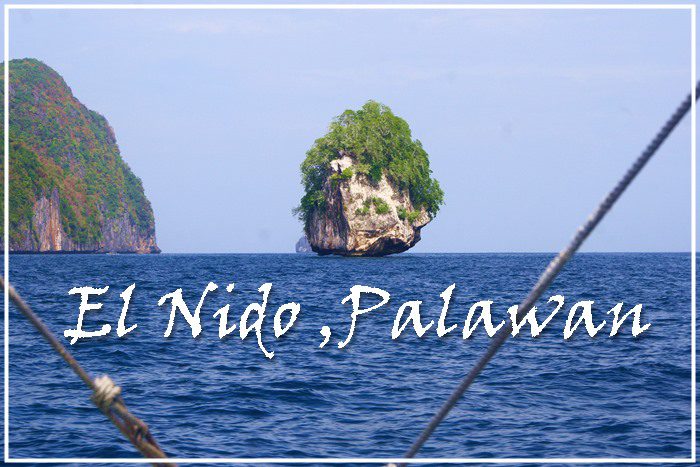
6. El Nido (Palawan) [ Philippine Overtourism ]
6.1 Overview
El Nido is one of the most iconic island destinations in the Philippines, famous for its limestone cliffs, lagoons, and island-hopping tours.
6.2 Latest Tourism Statistics
El Nido continues to experience strong tourism demand due to its global reputation as a tropical paradise and gateway to Bacuit Bay.
Source:
https://www.philstar.com/business/2024/08/20/2379029/panglao-el-nido-see-tourist-influx
6.3 Why Tourism Pressure Exists
Tourism in El Nido concentrates in a few island-hopping routes, placing pressure on coral reefs, lagoons, and coastal ecosystems.
6.4 Economic Impact
Tourism has created employment in hospitality, diving operations, tour guiding, and boat services.
6.5 Impact on Tourist Experience
The popularity of El Nido as one of the Philippines’ most iconic island destinations has led to increased visitor concentration in its main tourism areas, particularly around Bacuit Bay and the island-hopping routes. During peak travel seasons, tourists may experience crowded lagoons, long waiting times for tours, and congestion at popular beaches and docking areas.
The rapid growth of tourism has also placed pressure on local infrastructure such as waste management systems and freshwater supply, which can occasionally affect service quality for visitors. Increased demand for accommodations and tours may also result in higher prices and limited availability during peak months.
Source:
https://www.philstar.com/business/2024/08/20/2379029/panglao-el-nido-see-tourist-influx
While El Nido continues to offer world-class island scenery, sustained visitor growth highlights the need for careful tourism management to preserve both environmental quality and visitor satisfaction.
6.6 Government Response
Local authorities have implemented environmental fees and visitor management policies.
6.7 Nearby Alternative Destinations
- San Vicente (Long Beach) – A coastal town in Palawan known for its 14-kilometer Long Beach, one of the longest white sand beaches in the Philippines, offering a quieter alternative to El Nido.
- Port Barton – A small seaside village in San Vicente famous for laid-back island hopping, snorkeling spots, and a relaxed backpacker atmosphere far from El Nido’s crowds.
- Taytay Coastal Areas – Historic coastal communities north of El Nido featuring quiet beaches, fishing villages, and scenic bays with fewer tourists.
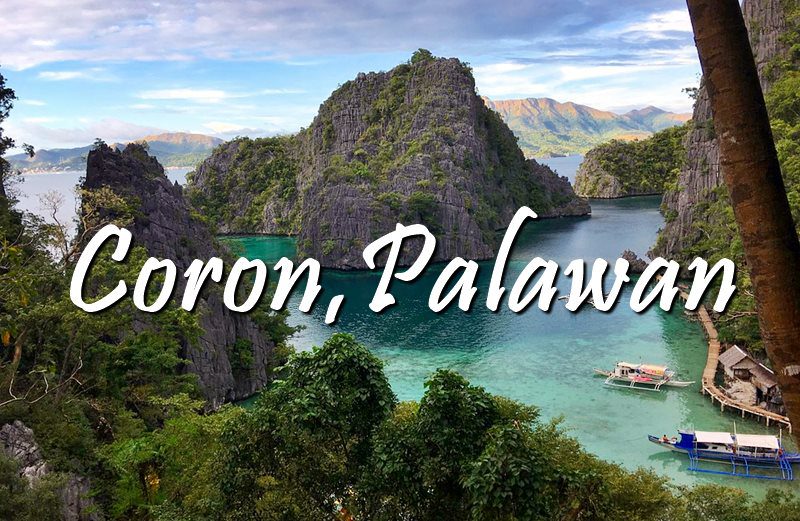
7. Coron (Palawan) [ Philippine Overtourism ]
7.1 Overview
Coron is globally known for its World War II shipwreck dive sites and turquoise lagoons.
7.2 Latest Tourism Statistics
Tourism in Coron has expanded rapidly as international diving tourism continues to grow.
Source:
https://www.palawan.gov.ph/tourism/coron/
7.3 Why Tourism Pressure Exists
Diving and island hopping activities concentrate visitors in fragile marine ecosystems.
7.4 Economic Impact
The growing popularity of Coron, Palawan, particularly for diving and island-hopping tourism, has led to increased visitor concentration at major attractions such as Kayangan Lake, Barracuda Lake, and Twin Lagoon. During peak travel periods, tourists may experience crowded viewing areas, longer waiting times for boat tours, and limited space at popular snorkeling and swimming sites.
The expansion of tourism activities has also placed pressure on marine ecosystems and tourism infrastructure, which may affect the quality of the visitor experience if not properly managed. Increased demand for accommodations, dive tours, and transport services may also lead to higher prices during peak seasons.
Source:
https://www.palawan.gov.ph/tourism/coron/
While Coron remains one of the Philippines’ premier diving destinations, effective visitor management and environmental protection are essential to maintain the pristine marine environment that attracts travelers to the area.
7.5 Impact on Tourist Experience
Popular sites such as Kayangan Lake often experience overcrowding.
7.6 Government Response
Authorities have implemented environmental fees and marine conservation programs.
7.7 Nearby Alternative Destinations
- Busuanga Island Inland Areas – The larger island where Coron town is located, offering waterfalls, wildlife sanctuaries, and rural landscapes away from the crowded lagoon tours.
- Culion Island – A historic island municipality known for its heritage sites, clear waters, and quiet coastal villages with minimal tourism traffic.
- Linapacan Islands – A remote group of islands between Palawan and Coron famous for exceptionally clear waters, white sand beaches, and very low visitor numbers.
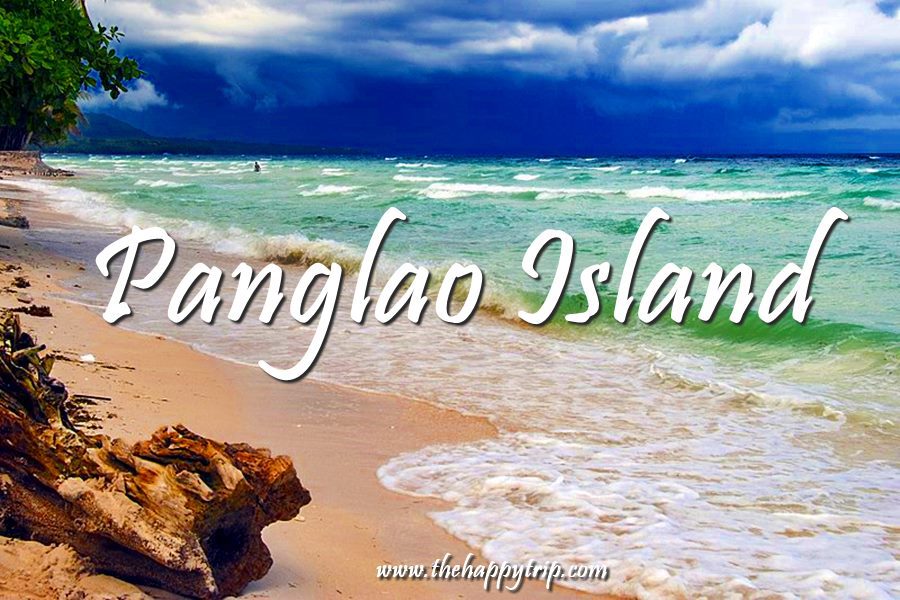
8. Panglao (Bohol) [ Philippine Overtourism ]
8.1 Overview
Panglao is a major tourism hub in Bohol, known for its beaches and marine sanctuaries.
8.2 Latest Tourism Statistics
The opening of Bohol-Panglao International Airport significantly increased tourist arrivals.
Source:
https://www.tourism.gov.ph/news_and_updates/bohol-panglao-airport-tourism/
8.3 Why Tourism Pressure Exists
Tourism activities often concentrate in beach resorts and diving sites.
8.4 Economic Impact
Tourism supports hospitality, diving operations, and transport services.
8.5 Impact on Tourist Experience
The rapid growth of tourism in Panglao, Bohol, particularly after the opening of the Bohol-Panglao International Airport, has increased visitor concentration in popular areas such as Alona Beach and nearby marine sanctuaries. During peak travel periods, tourists may encounter crowded beaches, fully booked accommodations, and higher prices for tours and resort stays.
Heavy visitor activity can also place pressure on marine ecosystems, coastal infrastructure, and transport services, especially in areas where diving and snorkeling activities are concentrated. These conditions may reduce the relaxed island atmosphere that many travelers seek when visiting beach destinations.
Source:
https://www.tourism.gov.ph/news_and_updates/bohol-panglao-airport-tourism/
While Panglao remains one of the country’s most accessible beach destinations, managing visitor flows and protecting marine environments will be important to sustain both tourist satisfaction and ecological balance.
8.6 Government Response
Authorities have implemented environmental protection programs for marine ecosystems.
8.7 Nearby Alternative Destinations
- Anda (Bohol) – A quiet coastal town on Bohol’s eastern side known for white sand beaches, coral reefs, and a relaxed seaside atmosphere far from the busy resorts of Panglao.
- Guindulman Beaches – Scenic coastal areas in eastern Bohol featuring limestone cliffs, small coves, and uncrowded beaches ideal for nature-focused travelers.
- Balicasag Island – A small marine sanctuary off Panglao renowned for vibrant coral reefs, sea turtles, and world-class snorkeling and diving.

9. Puerto Princesa, Underground River [ Philippine Overtourism ]
9.1 Overview
The Puerto Princesa Subterranean River National Park is a UNESCO World Heritage Site and one of the Philippines’ most famous natural attractions.
9.2 Latest Tourism Statistics
Due to ecological sensitivity, the site implements strict visitor limits and permit systems.
Source:
https://ppur.com.ph/visitor-information/
9.3 Why Tourism Pressure Exists
High global demand for the underground river experience places pressure on the protected ecosystem.
9.4 Economic Impact
Tourism provides livelihoods for local communities through boat tours, guiding services, and hospitality.
9.5 Impact on Tourist Experience
The Puerto Princesa Subterranean River National Park, one of the Philippines’ most iconic natural attractions, receives strong visitor demand due to its status as a UNESCO World Heritage Site and New7Wonders of Nature destination. Because of the ecological sensitivity of the cave system, authorities enforce a strict permit and visitor quota system to regulate daily tourist arrivals.
As a result, travelers may experience limited availability of permits, advance booking requirements, and waiting times for boat tours, particularly during peak tourism seasons. Visitors who arrive without prior reservations may not be able to access the site on the same day due to the controlled carrying capacity.
Source:
https://ppur.com.ph/visitor-information/
While these regulations may limit spontaneous visits, they are essential to protect the underground river ecosystem and ensure the long-term sustainability of one of the Philippines’ most important natural heritage sites.
9.6 Government Response
Strict environmental management and visitor regulation policies.
9.7 Nearby Alternative Destinations
- Sabang Beach – A coastal village in Puerto Princesa that serves as the gateway to the Underground River, offering a quieter beach setting and jungle landscapes.
- Honda Bay Islands – A group of accessible islands near Puerto Princesa known for white sand beaches, snorkeling spots, and relaxed island-hopping tours.
- San Vicente (Palawan) – A coastal municipality north of Puerto Princesa famous for its 14-kilometer Long Beach and emerging eco-tourism destinations.
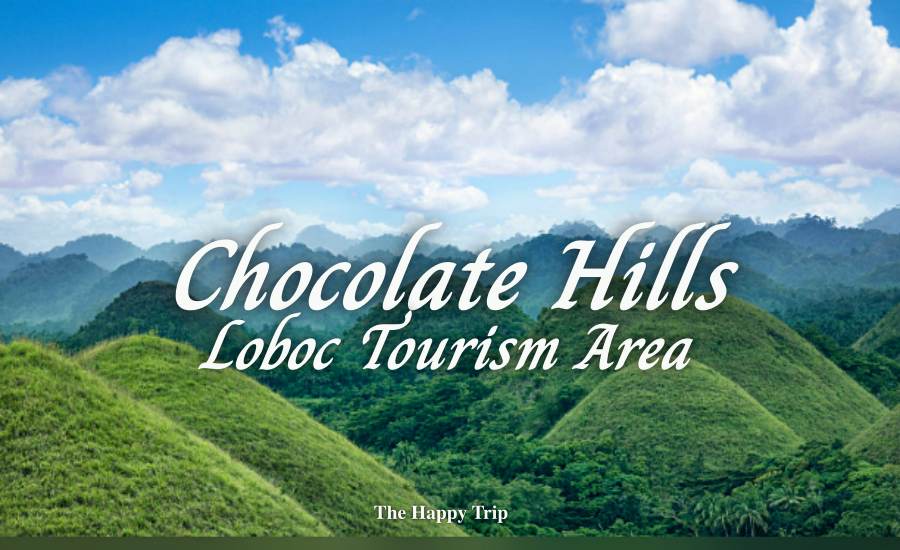
10. Chocolate Hills / Loboc Tourism Area (Bohol) [ Philippine Overtourism ]
10.1 Overview
The Chocolate Hills Natural Monument is one of the most recognized geological landscapes in the Philippines.
10.2 Latest Tourism Statistics
The site receives heavy tourist traffic as one of the most visited natural attractions in the country.
Source:
https://newsinfo.inquirer.net/1921478/chocolate-hills-resort-controversy-explained
10.3 Why Tourism Pressure Exists
Tourism activities concentrate in viewing decks and nearby attractions such as Loboc River cruises.
10.4 Economic Impact
Tourism supports local handicrafts, transport services, and cultural tourism enterprises.
10.5 Impact on Tourist Experience
The Chocolate Hills and the Loboc tourism area are among the most visited attractions in Bohol, drawing large numbers of domestic and international tourists. Because most visitors concentrate at the Chocolate Hills Complex viewing deck and the Loboc River cruise area, peak travel periods can result in crowded viewing platforms, longer queues, and limited space for sightseeing and photography.
Tour buses and group tours arriving simultaneously may also create congestion in access roads and parking areas. Similarly, high visitor volumes at the Loboc River cruise can lead to waiting times for boats, particularly during holidays and weekends.
Increased tourism activity has also sparked debates on development and environmental protection within the Chocolate Hills Natural Monument, highlighting concerns about balancing tourism growth with landscape conservation.
Source:
https://newsinfo.inquirer.net/1921478/chocolate-hills-resort-controversy-explained
While these attractions remain major highlights of Bohol tourism, managing visitor flows and protecting the natural landscape are important to maintain the quality of the visitor experience.
10.6 Government Response
Environmental regulations and development controls are implemented to protect the site.
10.7 Nearby Alternative Destinations
- Bohol Heritage Churches (Baclayon, Loboc, Dauis) – Historic Spanish-era churches that showcase Bohol’s rich colonial architecture and religious heritage.
- Dimiao Twin Falls (Pahangog Falls) – A scenic two-tier waterfall surrounded by lush forest, offering a refreshing nature experience away from crowded tourist sites.
- Candijay Eco-tourism Sites – A nature-rich municipality featuring mangrove forests, rice terraces, and Can-umantad Falls, the tallest waterfall in Bohol.
National Tourism Context
Tourism remains a major economic driver in the Philippines. The country generated ₱760.5 billion in tourism revenue in 2024, the highest on record.
Source:
https://beta.tourism.gov.ph/news_and_updates/phl-hits-record-high-tourism-revenue-in-2024/
[ Philippine Overtourism ]
Key Insight
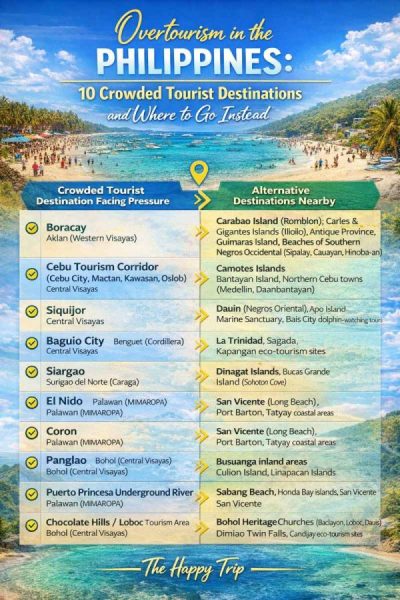
Tourism growth in the Philippines is highly concentrated in a few destinations, creating localized tourism pressure while many regions remain under-visited. Promoting secondary cities and alternative destinations can help distribute tourism benefits more evenly while preserving environmental sustainability.
Summary table of the 10 destinations experiencing tourism pressure and their nearby alternative destinations.
| # | Destination Experiencing Tourism Pressure | Province / Region | Key Reason for Tourism Pressure | Suggested Alternative Destinations |
|---|---|---|---|---|
| 1 | Boracay | Aklan (Western Visayas) | Extremely high tourist density on a small island; heavy beach tourism | Carabao Island (Romblon); Carles & Gigantes Islands (Iloilo); Antique Province; Guimaras Island; Beaches of Southern Negros Occidental (Sipalay, Cauayan, Hinoba-an) |
| 2 | Cebu Tourism Corridor (Cebu City, Mactan, Kawasan, Oslob) | Central Visayas | Major international gateway with concentrated attractions | Camotes Islands; Bantayan Island; Northern Cebu towns (Medellin, Daanbantayan) |
| 3 | Siquijor | Central Visayas | Rapid tourism growth on a small island with limited infrastructure | Dauin (Negros Oriental); Apo Island; Bais City |
| 4 | Baguio City | Benguet (Cordillera) | Seasonal overtourism during festivals and holidays | La Trinidad; Sagada; Kapangan eco-tourism areas |
| 5 | Siargao | Surigao del Norte (Caraga) | Rapid international tourism growth and resort development | Dinagat Islands; Bucas Grande (Sohoton Cove); Surigao mainland beaches |
| 6 | El Nido | Palawan (MIMAROPA) | Heavy island-hopping tourism concentrated in lagoons | San Vicente (Long Beach); Port Barton; Taytay coastal areas |
| 7 | Coron | Palawan (MIMAROPA) | High diving tourism and lagoon visits | Busuanga inland areas; Culion Island; Linapacan Islands |
| 8 | Panglao | Bohol (Central Visayas) | Growth after international airport opening | Anda; Guindulman beaches; Balicasag Island |
| 9 | Puerto Princesa Underground River | Palawan (MIMAROPA) | Limited carrying capacity of a UNESCO natural site | Sabang Beach; Honda Bay islands; San Vicente |
| 10 | Chocolate Hills / Loboc Tourism Area | Bohol (Central Visayas) | Heavy visitor concentration in viewing areas | Bohol Heritage Churches (Baclayon, Loboc, Dauis); Dimiao Twin Falls; Candijay eco-tourism sites |
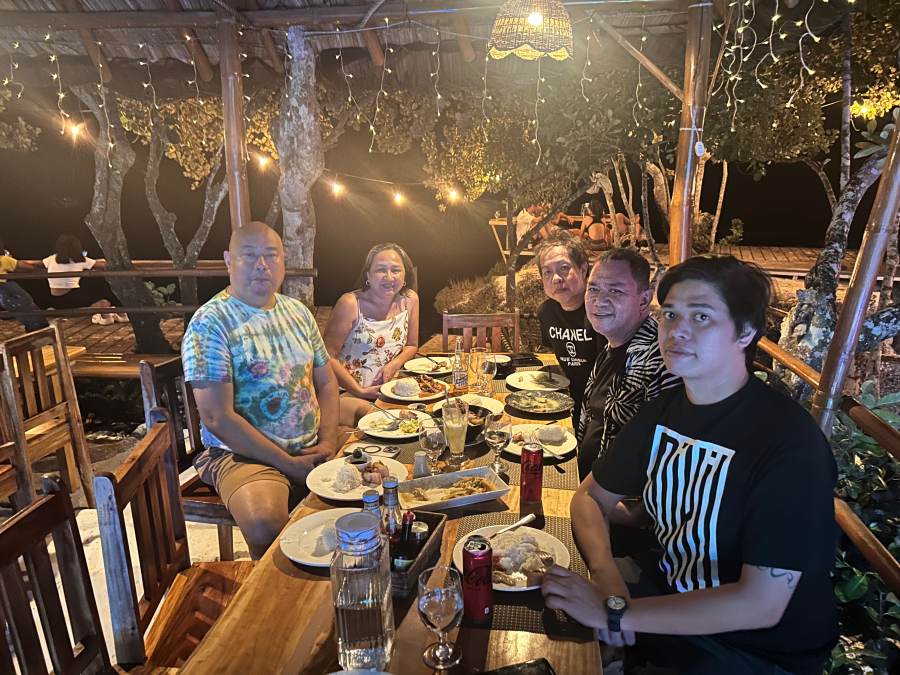
[ Philippine Overtourism ] This photo was taken during our 2025 visit to Siquijor, at one of the restaurants during dinner time. We waited almost an hour for our food because the kitchen staff and capacity simply couldn’t keep up with the number of guests. Even serving water was a challenge for the few staff on duty.
Mote Stories
- PUERTO PRINCESA TOURIST SPOTS | Things to Do + Hotels (Palawan)
- THINGS TO DO IN EL NIDO PALAWAN + Travel Guide | Hotels, Resorts
- TRAVELLING DURING EL NINO | TRAVEL TIPS
- VISAYAS TOURIST SPOTS (PHILIPPINES)
- SUNKEN CEMETERY, CAMIGUIN ISLAND TRAVEL GUIDE
- SIARGAO RESORTS AND HOTELS
- BEST CARIBBEAN ISLANDS TO VISIT \
- TUASAN FALLS TRAVEL GUIDE | CAMIGUIN
- EL NIDO TOUR PACKAGE A | ISLAND HOPPING, LAGOON,BEACHES
- Top 5 Must-Visit Places in the Philippines During Winter
- Philippine Tourism : Why Small Cities Are the Future
- Bacolod During Summer: Bacolodnon’s Guide to What to Do
- Golden Week : What It Means for Tourists Planning a China Trip
- Road Trip Safety Advice for First-Timers
Question 1
How does the article challenge or reinforce existing theories of international marketing, and what theoretical gaps or limitations become apparent when the findings are examined within the context of emerging global markets?
The article reinforces several key principles of international marketing, particularly those related to destination competitiveness, market positioning, and sustainable tourism development. Traditionally, international marketing theory suggests that a destination’s success is measured by its ability to attract increasing numbers of visitors and maintain a strong global brand presence. Destinations such as Boracay, El Nido, Coron, and Siargao clearly demonstrate this principle, as they have successfully established themselves as internationally recognized tourism brands.
However, the article also challenges the conventional assumption that continuous growth in tourist arrivals automatically translates into long-term success. Instead, it highlights a growing reality faced by many tourism destinations worldwide: overtourism. When visitor numbers exceed a destination’s carrying capacity, the negative impacts can outweigh the economic benefits. Environmental degradation, overcrowding, rising costs, and declining visitor satisfaction can ultimately weaken the destination’s competitive advantage.
The article reflects the ongoing shift from traditional growth-oriented marketing toward sustainability-centered marketing. Modern international marketing increasingly emphasizes value creation for multiple stakeholders, including local communities, governments, businesses, and tourists, rather than focusing solely on market expansion.
Despite its strengths, the article reveals several theoretical gaps when viewed through the lens of emerging global markets. First, it does not sufficiently address the role of governance, infrastructure readiness, and institutional capacity in managing tourism growth. Many emerging destinations lack the resources necessary to accommodate increased tourist demand. Second, the article gives limited attention to digital transformation and technological innovation, which are becoming critical drivers of destination marketing and visitor management. Finally, while the article advocates redirecting tourists to lesser-known destinations, it does not fully explore how these destinations can avoid repeating the same cycle of overtourism in the future.
Overall, the article provides a valuable contribution to contemporary discussions on sustainable tourism marketing, but a more comprehensive analysis would benefit from integrating stakeholder theory, destination resilience frameworks, and sustainable development principles.
Question 2
To what extent do the strategic recommendations presented in the article reflect a balance between global standardization and local adaptation? Critically evaluate whether the proposed approach is sustainable across diverse cultural, economic, and regulatory environments.
One of the most significant strengths of the article is its recognition of the need to balance global tourism trends with local destination characteristics. In international marketing literature, this balance is often described as the tension between standardization and adaptation. Standardization promotes consistency and efficiency, while adaptation recognizes the unique needs, cultures, and conditions of local markets.
The article demonstrates elements of standardization by promoting sustainability, destination diversification, and responsible tourism practices. These principles are increasingly accepted as global standards within the tourism industry and are relevant regardless of geographic location. Whether in Southeast Asia, Europe, or Latin America, tourism destinations are facing similar challenges related to overcrowding, environmental protection, and resource management.
At the same time, the article strongly supports local adaptation by encouraging travelers to explore destinations that offer distinctive cultural, historical, and environmental experiences. Rather than creating uniform tourism products, the recommended destinations maintain their local identity and authenticity. This approach aligns with contemporary international marketing strategies that emphasize experiential consumption and cultural differentiation as sources of competitive advantage.
From a sustainability perspective, the proposed strategy offers significant potential benefits. By dispersing visitor flows across multiple destinations, tourism revenues can be distributed more equitably, local economies can benefit from increased opportunities, and environmental pressure on overcrowded destinations can be reduced. This approach also aligns with the principles of inclusive and sustainable development.
Nevertheless, the strategy may encounter challenges when applied across different cultural, economic, and regulatory contexts. Not all destinations possess the infrastructure, governance systems, or financial resources necessary to manage increased visitor arrivals effectively. In some cases, inadequate planning could simply transfer the problem of overtourism from one location to another. Furthermore, regulatory frameworks vary considerably across countries, influencing how tourism development is managed and monitored.
As a DBA student, I would argue that the long-term success of the proposed approach depends on strategic destination governance. Tourism diversification should be supported by investments in infrastructure, community participation, environmental protection policies, and digital visitor management systems. Without these supporting mechanisms, the sustainability of alternative destinations may be compromised.
In conclusion, the article presents a well-balanced approach that effectively combines global sustainability principles with local destination uniqueness. While the strategy is conceptually sound, its success ultimately depends on the capacity of destinations to manage growth responsibly and sustainably over the long term.
The bullwhip effect, traditionally defined in supply chain theory as the amplification of demand variability upstream (from consumers to suppliers), can be reconceptualized in tourism supply chains as a demand-synchronization and amplification phenomenon across digitally mediated, service-based networks. Unlike manufacturing systems where inventory buffers variability, tourism operates with perishable capacity (hotel rooms, flights, tours) and real-time consumption, making the bullwhip effect more volatile and spatially visible
In tourism, the bullwhip effect is not merely an upstream distortion—it becomes a network-wide amplification of demand signals, driven by: Information asymmetry (imperfect or delayed demand visibility) Behavioral responses (herding, panic booking, trend-following) Platform intermediation (algorithmic amplification of demand)
Thus, the tourism bullwhip effect can be conceptualized as:
A digitally amplified, behaviorally reinforced demand surge that propagates unevenly across tourism networks, leading to temporal spikes and spatial congestion.
Mechanisms of Bullwhip Amplification in Tourism
a. Information Asymmetry and Signal Distortion
Tourism stakeholders (hotels, airlines, LGUs) often rely on:
• Historical data
• Booking platform signals
• Limited forward visibility of real-time demand
However, demand signals are: Fragmented across platforms (e.g., Booking.com, Airbnb)
Influenced by opaque algorithms
Result:
• Suppliers misinterpret demand trends
• Overreaction occurs (price surges, overbooking, capacity expansion)
In the Philippine context:
During peak seasons (e.g., Holy Week), destinations like Boracay Island and El Nido experience booking spikes far exceeding forecast baselines, driven by incomplete or lagged data sharing between actors.
In the Philippine setting, the reconceptualized bullwhip effect manifests as:
1. Spatial congestion
Overconcentration in iconic nodes (e.g., White Beach in Boracay)
Underutilization of alternative destinations
2. Temporal spikes
Extreme short-term overcrowding during holidays
Idle capacity during off-peak periods
3. Price volatility
Surge pricing in accommodations and flights
Reduced affordability and inequitable access
4. Infrastructure mismatch
Sudden overload of transport, water, and waste systems
Long-term underinvestment in less popular areas
Overtourism in the Philippines is not only about having too many tourists, but also about how tourists are distributed across destinations. Popular places like Boracay, Cebu, and El Nido receive millions of visitors each year, which leads to overcrowding, environmental stress, and pressure on local infrastructure. At the same time, many nearby destinations with equally beautiful attractions remain under-visited.
One possible solution is to manage tourism like a network system. Instead of concentrating visitors in a few famous locations, tourism planners can promote alternative destinations, improve transportation access, and design tour packages that spread visitors across different areas. This helps reduce congestion while giving more communities the opportunity to benefit from tourism.
Another important factor is carrying capacity, which refers to the maximum number of visitors a place can handle without damaging the environment or affecting the quality of the visitor experience. By setting visitor limits and encouraging travel to alternative destinations, the Philippines can protect its natural resources while still maintaining a strong tourism industry.
In this way, tourism becomes more balanced, sustainable, and beneficial for both travelers and local communities.
As someone from Bacolod, I find this discussion particularly relatable. Many travelers visiting nearby destinations like Boracay often pass through the region, yet several beautiful destinations in Negros Occidental remain less visited. This shows how tourism demand in the Philippines is often unevenly distributed, with certain destinations receiving overwhelming attention while others still have potential for sustainable tourism development.
The rapid growth of tourism can bring economic opportunities, but without effective management it can also create environmental stress, infrastructure pressure, and uneven distribution of benefits.” This idea strongly resonates with the current tourism situation in the Philippines, where several well-known destinations are experiencing increasing visitor concentration.
I appreciate how the article highlights the issue of overtourism and presents alternative destinations to help redistribute tourist flows. The discussion encourages readers to think beyond simple tourism promotion and instead consider how tourism systems operate as interconnected networks involving transport providers, digital platforms, local governments, and destination communities. Destinations such as Boracay, Siargao, and El Nido illustrate how popularity can bring both economic benefits and sustainability challenges.
Tourism demand in popular destinations can be analyzed through the lens of the Bullwhip Effect, a concept that explains how small changes in consumer demand can create large fluctuations across a supply chain. In tourism systems, a similar pattern occurs when digital platforms, viral marketing, and seasonal travel behavior amplify demand signals.
For example, destinations such as Siargao, Boracay, and El Nido frequently experience sudden surges in tourist arrivals after gaining visibility through social media, travel influencers, or online booking platforms. These platforms amplify demand signals by highlighting trending destinations, which encourages more travelers to visit the same locations simultaneously. Tourism providers then respond by rapidly expanding accommodations, tours, and transport services, sometimes exceeding the environmental and infrastructure capacity of the destination.
This perspective is particularly relevant in the Philippines today, where tourism recovery after the pandemic has been strongly driven by digital travel platforms and social media promotion. Viral destination marketing can quickly concentrate demand in a few highly visible locations, intensifying problems of overtourism, congestion, and environmental pressure. Viewing tourism demand through the bullwhip effect therefore helps explain why demand spikes occur and highlights the need for better coordination, demand forecasting, and destination management strategies that distribute visitors toward alternative destinations.
1. Tourism Supply Chains as Complex Adaptive Systems
Tourism destinations experiencing over tourism can be conceptualized as complex adaptive supply chain systems because tourism is not controlled by a single actor. Instead, it involves many interconnected participants such as airlines, hotels, tour operators, digital booking platforms, transport providers, and local communities. These actors continuously interact and adapt to changes in tourist demand, which reflects the idea of complex systems theory.
From a tourism geography perspective, destinations are nodes within a spatial tourism network where tourist flows move between attractions, transportation hubs, and service providers. When a destination becomes highly popular—like Boracay or El Nido—tourist demand becomes concentrated in that particular location. Businesses then respond by expanding accommodations, tours, and transport services, which further attracts more visitors. This feedback loop creates emergent behaviors such as spatial congestion, overcrowded beaches, and pressure on local resources.
Using supply chain network dynamics, tourism flows can be viewed as movements of demand through a network of interconnected destinations. When most tourism services promote only a few destinations, the network becomes unbalanced and demand clusters in specific nodes. This is why nearby areas such as Carabao Island or San Vicente are now promoted as alternative destinations to redistribute visitor flows.
Therefore, over tourism demonstrates how tourism supply chains behave like adaptive networks, where the collective decisions of many actors lead to patterns such as congestion, destination popularity, or the emergence of alternative travel routes.
________________________________________
2. Network Design and Destination Carrying Capacity
Advanced supply chain network design models can play an important role in tourism destination planning by optimizing how visitors move across different locations. In tourism, destinations can be treated like nodes in a network where tourists travel between attractions, transportation hubs, and accommodation providers.
Using optimization models, planners can determine the ideal number of visitors that each destination can accommodate while still maintaining environmental sustainability. This concept relates to destination carrying capacity, which refers to the maximum number of tourists a location can handle without damaging natural resources or community well-being.
For example, the heavy visitor concentration in Baguio City during holidays often causes traffic congestion, waste management issues, and overcrowded tourist spots. By applying spatial network theory, tourism planners can redirect visitor flows toward nearby destinations such as La Trinidad or Sagada, which can absorb additional tourists while still maintaining sustainable tourism growth.
Another important aspect is sustainable tourism logistics, which includes planning transportation routes, scheduling tours, and distributing tourism services across multiple destinations. Instead of concentrating tourism only in Panglao, authorities can encourage visitors to explore areas such as Anda or nearby eco-tourism sites.
By combining optimization models, spatial planning, and capacity management, tourism networks can distribute visitors more evenly, protect natural resources, and maintain long-term economic benefits for local communities.
________________________________________
3. Bullwhip Effect in Tourism Demand Systems
The bullwhip effect in supply chains occurs when small changes in consumer demand lead to larger fluctuations throughout the supply chain. In tourism systems, this concept can be applied to understand how sudden popularity or marketing trends create extreme demand spikes in specific destinations.
One major cause is information asymmetry, where tourism businesses do not have complete or accurate information about future demand. For example, when a destination becomes popular through social media or travel blogs, many tourists suddenly decide to visit it. As a result, hotels, airlines, and tour operators may quickly expand services to meet the perceived demand.
This phenomenon can lead to demand amplification, especially when digital platforms highlight trending destinations. For instance, Siargao experienced rapid growth after being widely promoted as a top surfing destination. Online travel intermediaries and booking platforms intensified this effect by recommending the destination to more travelers.
Another example is the visitor surge in the Puerto Princesa Underground River, where viral marketing and travel promotions increased demand beyond the ecological limits of the site.
To reduce these fluctuations, tourism stakeholders can use predictive analytics for tourism demand, which analyzes travel data, booking trends, and seasonal patterns. By sharing this information across tourism supply chain actors, destinations can anticipate demand changes and implement visitor management strategies before overcrowding occurs.
________________________________________
4. Governance, Power Asymmetry, and Platform Economies
Tourism supply chains are also shaped by governance structures and power relationships among different actors. Governments, digital platforms, airlines, tourism businesses, and local communities all influence how tourism flows are coordinated.
Through institutional governance, governments regulate tourism development through policies, environmental regulations, and visitor limits. A well-known example is the temporary closure of Boracay, which aimed to restore environmental sustainability after severe overcrowding and pollution.
However, in modern tourism systems, platform capitalism plays a major role. Global booking platforms such as Airbnb and Booking.com influence which destinations become popular because they control digital visibility and booking access. Their algorithms often highlight trending destinations, which can unintentionally intensify overtourism.
Using stakeholder theory, tourism sustainability requires cooperation among multiple actors including local governments, tourism businesses, communities, and international platforms. Effective tourism policy coordination ensures that these stakeholders work together to regulate visitor flows, protect environmental resources, and distribute tourism benefits more fairly.
Without proper coordination, powerful actors such as large platforms or airlines may shape tourism demand in ways that local communities cannot easily control.
________________________________________
5. Strategic Integration and Resilient Tourism Supply Chains
Developing resilient tourism supply chains requires strategic integration among tourism service providers. This can occur through both vertical and horizontal integration strategies, which help destinations manage tourist demand and reduce overtourism.
Vertical integration occurs when different stages of the tourism supply chain coordinate their services. For example, airlines, hotels, and tour operators can collaborate to design travel packages that include alternative destinations rather than focusing only on heavily visited areas.
Horizontal integration, on the other hand, involves cooperation among businesses operating at the same level of the supply chain, such as hotel associations or tour operator networks. These groups can coordinate tour schedules, manage visitor numbers, and promote lesser-known destinations.
Another important strategy is tourism clustering, where multiple attractions within a region are developed and marketed together. Instead of concentrating tourism only in the Chocolate Hills, tourism planners can promote nearby attractions such as heritage churches and eco-tourism sites, spreading visitor flows across the region.
Through strategic alliances and destination ecosystem management, tourism stakeholders can diversify tourism products, strengthen collaboration, and distribute demand across multiple destinations. This approach improves supply chain resilience, allowing tourism systems to adapt to demand fluctuations while maintaining destination competitiveness and environmental sustainability
In the Philippine tourism context, the bullwhip effect can be seen when seasonal demand shocks occur. For example, destinations like Boracay, Palawan, and Siargao experience a huge increase in tourists during summer months such as March to May and during holidays like Holy Week. When hotels and resorts anticipate high demand, they may increase room inventory, hire temporary staff, and purchase more supplies. However, if the demand forecast is inaccurate or sudden weather disruptions occur, businesses may end up with excess capacity and higher costs. This shows how small changes in tourist arrivals can create larger operational adjustments across the tourism supply chain.
Another factor that amplifies the bullwhip effect is viral destination marketing. In recent years, destinations such as Batanes, Siquijor, and Balabac in Palawan have become popular due to viral social media posts on platforms like TikTok, Instagram, and YouTube. When a destination suddenly trends online, thousands of tourists may try to visit at the same time. Travel agencies, airlines, hotels, and tour operators then react by increasing prices, expanding tour packages, or adding flights. Because the information spreads quickly but unpredictably, the demand signal becomes distorted, which causes demand amplification across the tourism supply chain.
Digital platforms and travel intermediaries also play a major role. Online travel agencies such as Agoda, Booking.com, and Airbnb collect and distribute booking information to tourism providers. However, these platforms sometimes create information asymmetry because hotels or local tour operators may not have full access to real-time demand data. As a result, some businesses may overestimate or underestimate demand. For example, if many travelers search for accommodations in El Nido, hotels may interpret this as confirmed demand and increase prices or allocate more rooms, even if not all searches turn into actual bookings.
To reduce the negative impacts of the bullwhip effect in tourism, businesses can use predictive analytics for tourism demand. Airlines, hotels, and tourism boards can analyze historical travel patterns, booking data, weather forecasts, and online search trends to predict tourist arrivals more accurately. For instance, the Department of Tourism (DOT) and tourism businesses can analyze booking patterns for destinations like Cebu and Bohol to better prepare for peak seasons. Predictive analytics helps improve coordination among airlines, hotels, tour operators, and transportation providers, which can reduce demand fluctuations across the tourism supply chain.
In conclusion, the bullwhip effect in tourism supply chains can be reconceptualized by considering factors such as seasonal tourism patterns, viral marketing on social media, and platform-driven booking systems. In the Philippine tourism industry, better data sharing and predictive analytics can help tourism stakeholders manage demand more effectively and avoid large fluctuations in supply chain operations.
Tourism is one of the major contributors to the Philippine economy. As shown in the article, destinations such as Boracay, Baguio City, Siargao, El Nido, and Panglao receive very large numbers of visitors every year. While tourism brings jobs and income, the concentration of visitors in a few popular places also creates problems such as environmental damage, congestion, and lower-quality visitor experiences. This problem can be analyzed using supply chain network design models, which are normally used to manage the flow of goods and services efficiently across multiple locations. These same principles can also be applied to tourism planning.
In traditional supply chain management, network design focuses on deciding where facilities should be located, how resources should flow between them, and how demand should be distributed in order to minimize costs and maximize efficiency. In tourism, the “network” can be understood as a system of destinations, transportation routes, accommodations, and tourism services. Instead of moving products, the system manages the movement of tourists across different destinations. By designing this network carefully, tourism planners can distribute visitors more evenly across regions, preventing overcrowding in one location while encouraging development in other areas.
One important tool in this process is the use of optimization models. These models analyze variables such as the number of tourists, available infrastructure, transportation capacity, environmental limits, and economic benefits. Through mathematical optimization, planners can determine the optimal distribution of tourists across multiple destinations. For example, if Boracay is already near its environmental capacity, an optimization model can recommend redirecting a portion of visitors toward nearby alternative destinations such as Carabao Island or Guimaras Island. By adjusting travel promotions, transport routes, and tour packages, visitor flows can be balanced across the network. In this way, the tourism system functions similarly to a supply chain that balances demand among multiple distribution centers.
Another relevant concept is spatial network theory, which examines how locations are connected through transportation and travel routes. In tourism planning, destinations are nodes in a network while roads, airports, and sea routes act as the connecting links. By studying these connections, planners can identify bottlenecks where too many tourists converge in a single place. For instance, when tourists travel to Cebu, many visit the same attractions such as Kawasan Falls and Oslob. Using spatial network analysis, planners can design travel routes that include alternative stops such as Bantayan Island or Camotes Islands. This approach spreads visitor movement across a wider geographic area, reducing pressure on overcrowded attractions.
A key factor in tourism network design is destination carrying capacity. Carrying capacity refers to the maximum number of visitors a destination can accommodate without causing environmental damage or reducing the quality of the visitor experience. In supply chain terms, it is similar to production capacity or warehouse capacity. If a destination receives more visitors than it can handle, problems such as pollution, water shortages, traffic congestion, and ecosystem damage may occur. By incorporating carrying capacity into optimization models, planners can set visitor limits for each destination and redirect excess demand to nearby locations. This ensures that tourism growth remains sustainable.
Another important concept is sustainable tourism logistics. Just as supply chains coordinate transportation, scheduling, and resource allocation, tourism systems must manage tour scheduling, transport availability, accommodation capacity, and visitor timing. Digital reservation systems, visitor permits, and online booking platforms can help regulate tourist flows. A good example is the permit system implemented in Puerto Princesa Subterranean River National Park, which limits the number of daily visitors in order to protect the ecosystem. This system functions like a controlled distribution process in supply chain management, where demand is regulated to match the available capacity.
Finally, applying supply chain network design to tourism also supports economic viability. When tourists are distributed across multiple destinations, economic benefits such as employment, small business opportunities, and local investments are shared among more communities. Instead of concentrating income in only a few places, tourism development becomes more inclusive. At the same time, protecting environmental resources ensures that destinations remain attractive for future visitors, supporting long-term economic sustainability.
In conclusion, advanced supply chain network design models provide a valuable framework for tourism planning. By applying optimization models, spatial network analysis, and destination capacity management, tourism authorities can better balance visitor demand, protect environmental resources, and distribute economic benefits across different regions. In the Philippine context, this approach can reduce overtourism in highly visited destinations while promoting sustainable growth in emerging locations.
More importantly, integrating environmental protection into tourism planning supports long-term sustainability. Natural resources such as beaches, coral reefs, forests, and waterfalls are the main attractions of tourism, and protecting them ensures that these destinations remain viable for future generations. By setting clear carrying capacity limits and redirecting visitors to alternative destinations, tourism pressure can be managed while allowing ecosystems to recover and communities to benefit economically.
Ultimately, sustainable tourism planning ensures that tourism development remains responsible, balanced, and environmentally protective, allowing the Philippines to grow its tourism industry while preserving its natural and cultural heritage.
3. Bullwhip Effect in Tourism Demand Systems
The bullwhip effect in tourism demand systems can be noted on Siargao Island, especially after the destination gained worldwide fame through surfing events and viral marketing on social media. Initially, increases in demand were modest and primarily came from specialized markets like international surfers drawn to the Cloud 9 surf break. However, as travel bloggers, influencers, and online travel sites showcased Siargao, the location rapidly gained global attention. This led to a swift rise in bookings via digital travel platforms such as Booking.com, Agoda, and Airbnb. What started as a slight uptick in tourist interest quickly transformed into a significant tourism boom, evident in the latest statistics showing a dramatic rise from 6,919 visitors in 2022 to 33,404 in 2023. It illustrate how small demand signals at the consumer level can be amplified across the tourism supply chain.
This amplification illustrates the bullwhip effect, in which various participants in the tourism supply chain respond independently to perceived rises in demand. As more travelers began searching for and reserving trips to Siargao online, airlines increased the number of flights to nearby airports, accommodation providers swiftly expanded their resorts and homestays, and tour operators enhanced their island-hopping and surfing packages. Each stakeholder reacted to the same demand signal but frequently overestimated future demand, leading to a rapid expansion of tourism infrastructure. This situation reflects information asymmetry, where businesses depend on limited or delayed information regarding actual demand trends and consequently respond vigorously to spikes in bookings.
Seasonal travel trends have also played a role in amplifying this demand. During the busiest surfing seasons and holiday times, there is a noticeable spike in visitor numbers. To meet the anticipated surge in demand, tourism businesses typically increase their capacity and prices. However, after the peak season concludes, demand drops sharply, leading to surplus capacity in accommodations and tourism services. This seasonal volatility demonstrates how temporary demand shocks can ripple through tourism supply chains, resulting in the cyclical boom-and-bust cycles that are typical of the bullwhip effect.
Digital platforms make this process even stronger. Online travel agencies and social media algorithms usually suggest places that are already popular, boosting the visibility of hotspots like Siargao. As a result, more travelers choose the same location, which increases online searches and booking numbers. This cycle between digital platforms and consumer behavior raises demand signals, focusing tourism into a few destinations and speeding up overtourism. Similar patterns have been seen in other Philippine locations like El Nido and Boracay, where viral promotion online led to a significant rise in tourist numbers.
Creating a website in order to promote alternative tourist destinations can aid in increasing awareness of other tourism locations that can reduce the overconcentration of tourists in the most popular destinations. However, the digital storefront of the website would need to be appealing to international audiences and have great user experience. The alternative tourist destinations could be featured on the main homepage, clearly communicating its features and benefits, both overtly with interactive media and informative texts. The website can also be made more enticing in a subtle way through the use of website design and layout, color and shape language, and user-friendly features throughout the site. For instance, the website can use system integration to process bookings and reservations in real time. Partnerships should be made with local resorts, hotels, transportation services, and the like, so they can be featured in the website to ease the booking process. The website should also keep in mind its international audience, with installations such as language support and foreign currency support. Overall, the website should have an overall clean, easy-to-use, and interactive interface in order to appeal to the high-class target audience of tourists.
Maria Dones – BAMK3A
To present these destinations effectively, the website must move away from the “alternative” or “back up plan” names/narratives and instead place them as another exclusive beach/destination. For example, Carabao Island. Rather than comparing Carabao Island to Boracay as a secondary option, the digital storefront should frame it as a premium, “undiscovered” experience for the traveler who just “found a hidden diamond”. This can be achieved by having immersive media and emphasizing the beauty of the destination. By focusing on the scarcity of people rather than the abundance of amenities, the website can create a power hold where the luxury being sold is actually privacy and authenticity. The storefront should have storytelling that highlights the unique character of the island that is different from the overpopulated pots, making the visitor feel they are discovering a secret rather than settling for an alternative. The (1) first feature would make browsing more of a “experience-first” navigation system. The site should allow the visitor to browse by its “vibe” or “intensity”, using categories like “digital detox” and such. It highlights more on “why” you are visiting the destination rather than just the name of the location. This is because traditional sites force you to search by destination name, but if I don’t know Carabao Island exists. I’ll never find it. The (2) second feature includes a “seamless proximity tool”, The visitors may not be going to the lesser-known spots because they fear that it would be difficult to travel there. To overcome this fear, the website can include an interactive map to show exactly how easy it is to reach their destination from a major hub like Boracay to Carabao island. Making the booking process feel safe and accessible, transforming the island from a “remote risk” into a “convenient escape” that can be easily added to their itinerary.
1. The homepage can feature these places with clear photos, short descriptions, and categorizing them such as beaches, mountains, cultural trips, and/ or adventure trips. By properly organizing the destinations into sections and adding key words such as “Book now” or “Learn more” buttons, the visitors can quckly understand what the place has to offer and decide if they want to visit or not. I also think it is important to add search filters or an interactive map that allows the users to find the destinations based on interest, budget, and loation. Also, adding reviews and ratings from other trvalers is a helpful guide. These features make browsing the website more enjoyable and help the users understand what they want to book.
Q1: Businesses can promote and sell lesser-known destinations by curating a digital storefront that categorizes these destinations according to the “vibe” and amenities they offer. The keyword here is “lesser-known,” so I wouldn’t suggest that the website place so much emphasis on the names of these underrated destinations, as credibility and customer trust haven’t been established yet. Instead, they should design a digital storefront that makes it easier for potential guests to find what they want in a place. For example, they put a “nightlife” category on their website. Once a tourist selects that category, they will be presented with options for resorts or hotels that offer a vibrant clubbing experience or are located near clubs and bars.
Q2: As a visitor, it would make me feel more at ease if the website offered a comparison system for browsing alternative destinations. To expound, I want the website to offer me dupes in a comprehensive manner. For example, “If you want to experience the white sands of Boracay on a budget, then Cadiz City’s Lakawon is a cheaper option” or something along those lines. Second, it would also be interesting for me if the reviews are automatically filtered or summarized for me to easily weigh the pros and cons of booking that particular destination.
I believed that in order for the visitor to easily find their places and become interested in booking them they should have the website that is ” user friendly” in that way people become more interested because the website is not complicated to use and easy to explore. As well as organize, well presented and convenient. As a visitor to the website, some features would make browsing and booking easier and more enjoyable. One example is an interactive map where users can click on different areas of the Philippines and see nearby attractions and travel options. This makes it easier to explore destinations and plan trips. Another helpful feature is reviews and ratings from other travelers. Reading other people’s experiences can help visitors decide if a place is worth visiting. It also builds trust and gives a better idea of what to expect. Overall, to effectively promote and sell travel experience i believed that a website that is well organized, visually appealing, and easy to use can encourage tourists to try new destinations instead of always going to crowded tourist spots.
Example 1: Interactive Map
Aside from being interactive map this would also give the visitors accessibility. However, an interactive map would allow visitors to click on different areas of the Philippines and see nearby hidden destinations. This makes it easier to explore places visually and find new spots that are not usually promoted.
Example 2: Reviews and Ratings from Travelers
As a traveler i personally use this example because seeing reviews, ratings, and photos from other travelers would help visitors decide if the destination is worth visiting. It also gives them an idea of what to expect and makes them feel more confident about booking the trip.
The website can present lesser-known destinations by putting them front and center on the homepage with big, attractive photos, short descriptions, and clear “Book Now” buttons, instead of focusing on the usual crowded spots. For example, it can add a simple “Instead of Boracay, try Carabao Island” or “Instead of Baguio, try Sagada” section so visitors quickly see quieter alternatives that offer similar experiences.
As a visitor, I would like filters such as “less crowded,” “budget‑friendly,” and “near popular destination,” plus clear information on costs, how to get there, and what’s included in each package, so it’s easy and enjoyable for me to choose and book these alternative places. Another example is having ready‑made packages like “Weekend in Sipalay” or “3 days in Port Barton” that I can book in just a few clicks.
As a philippines more resorts are destination able or wiling to go travel, visit, and vacation to go summer or enjoy this place to bonding. More destinations in philippines are tourist the people during vacation time or period.
The Boracay is a largest resort in the western visayas in panay island more people to go visit the island during vacation time it is good quality of culture. More people to book boracay because it is during summer the tourist are to use website to digital online book. More people are use to website to post the good quality of resorts in the philippines because people are wiling to vacation to look the good culture and destinations.
a lot of feature will be added to the website to make hidden places in the Philippines more seen. First is to add a feature that will will have the option of what type of places do they wanna to go. Its’s like a filter feature on which visitors can narrow down the options of places they wanna go to and places that are suitable for their vacation desire. It could be categorize in Beaches, Mountains, Group Tours, and then another filter will be added filtering what type of activities do they wanna do. If they want a chill vibe, just a staycation, of if they want more of an adventurous activity.
As a visitor to the website, what features would make it easier and more enjoyable for you to browse a
As a visitor one of the things that would make my experience more enjoyable is to have a pathfinder. A pathfinder that gives direction to the accommodation and the places I booked online. Also gives suggestion the commute route in terms of going in those places.
I recommendation system would also make my experience more enjoyable because if the website gives recommendation of potential place that are also available in the place that I will be going to giving me more option and more potential to discover places that most people dont usually go to
Edric Miles Paguntalan BAMK 3A
How can the website present these destinations so that visitors will easily find them and become interested in booking them?
– The website should use a comparative journey approach. Instead of just listing names of people might not recognize, the site should showcase what is the vibe and the experience of what these spots might offer. It also gives them the option to pick places in terms of their preferences and how will it tailor their needs.
(Example: Might like other spots in Boracay that are cozy and quiet? Try these!)
What features will the site show to make it easier and enjoyable to browse as a customer
Destination Presentation:
To boost engagement and conversion, the website will move away from static lists of unfamiliar names. Instead, it will implement a Comparative Journey Approach. This strategy focuses on “the vibe” and the specific experiences each location offers, allowing users to discover hidden gems based on familiar benchmarks.
Experience-First Discovery: Instead of just “Station 1, Boracay,” the site highlights “The Serene Side of the Island.”
Tailored Recommendations: By using a “If you like X, you’ll love Y” logic, the site guides users toward spots that match their specific preferences.
Example: “Love the energy of Boracay but looking for something cozy and quiet? Try these secluded beachfront escapes.”
1. The Vibe-Meter
This smart filtering system allows users to search based on the “intensity” or “mood” of their desired trip rather than just a geographic location. It encourages exploration by suggesting high-quality alternatives that fit the user’s personal brand of travel.
Filter Categories: Cozy/Minimalist, Raw Nature, Cultural Immersion, or High-Energy Social.
2. The Crowd-Forecaster
This predictive feature helps travelers manage their expectations and schedule by visualizing foot traffic in real-time or by peak hours.
Smart Alternatives: If a popular spot like Station 1 is forecasted to be crowded between 4:00 PM and 5:00 PM, the site will automatically suggest a nearby “hidden gem” that is currently quiet.
Benefit: This reduces over-tourism at specific spots while ensuring the customer always has a pleasant, uncrowded experience.
Alekzya Amber Estrebillo BAMK 3A
The website could have a dedicated tab for lesser-known tourist destinations so people could easily spot and browse their options. They could present these destinations in such a way that these tourist spots may not have a lot of tourists visiting them but that does not mean that they could make their visit worthwhile. They could integrate travel packages that tourists are able to avail in such destinations. They could also promote sales or discounts that are being offered in such tourist destinations so that it may seem more appealing to them. As a visitor, I would prefer if there were filters in their search bar in order to optimize their searching experience. The search filter could be in several categories, based on budget, available activities, destinations nearest to me, among many others. I would also much prefer a feature that allows me to look at other people’s posts or reviews regarding that specific tourist spot. I think other people posting their own pictures and videos could help me in my decision on whether to book that destination or not.
The website can present lesser-known destinations by using attractive photos, short descriptions, and clear categories such as beaches, mountains, or waterfalls. This helps visitors easily find places that match their interests and see what makes each destination unique. Highlighting the special experiences of these places can also encourage tourists to explore them instead of the usual crowded spots. As a visitor, features like an interactive map with filters and an easy booking system would make browsing more enjoyable. An interactive map allows users to search destinations by location or activity, while an easy booking system lets visitors arrange transportation, accommodation, and tours in one place, making the process more convenient.
A good travel website about less popular destinations in the Philippines should feature these destinations in an interesting way so that visitors are aware of these destinations. The website should feature these less popular destinations as alternatives to well-known destinations. For example, “Instead of Boracay, you should consider Carabao Island or Gigantes Islands,” with interesting photos and short descriptions. Visitors should be able to easily find a new destination through filters such as “Less Crowded Beaches,” “Quiet Mountain Towns,” “Budget,” “Trip Type,” etc. There should be interesting features on each destination’s page such as photos, “Why you’ll love this place,” “When to go,” “How to get there,” “Sample 2-3 Day Trip,” “What is Basic,” etc. There should be features such as “Swap Your Destination,” “Design My Quiet Trip,” etc., to make it more interesting to book these less popular destinations instead of well-known destinations.
A website that promotes lesser-known destinations in the Philippines can present these places in an organized and visually appealing way so visitors can easily find and become interested in them. The digital storefront can categorize destinations based on activities such as beaches, mountains, cultural sites, or eco-tourism, and include high-quality photos, short videos, and engaging descriptions to attract tourist. As a visitor, features like a smart search and filter option would make it easier to browse destinations based on budget. location, or preferred activities. Moreover, an easy booking system with clear prices, available schedules, and traveler, reviews would make the browsing experience more convenient and encourage tourists to choose alternative destinations instead of overcrowded tourist spots.
for me, to help visitors easily find and get interested in destinations, the website should show attractive photos, nice description about the destination, and booking option. as a tourist it is more accessible that the website is straight forward and simple yet attractive. the website can highlight lesser known places like GUIMARAS ISLAND, ANTIQUE PROVINCE, AND GIGANTES ISLAND so tourist can quickly discover the places offers.
features to add that would make it easier and attractive:
1. CAN ADD A MAP – VIEW DESTINATIONS ON A MAP AND ACTIVITIES THAT ARE AVAILABLE, FOODS NEARBY, AND HOTELS TO BOOK.
2. REVIEW AND RATINGS – TOURIST WHO PLANS TO VISIT CAN READ OTHER TOURIST EXPERIENCES.
Reiben Jay C. Denaga, MKEL3A
1. Based on the idea of a digital storefront, in order for the website to present these underrated Philippine destinations, there must first be a clear landing page, where the highlighted locations of that time are shown, where the website user interface can be easily seen, and where customers are able to scroll freely and clearly for all locations. With this in mind, the digital storefront must be adapted to both a website and a mobile application for convenience, and the user interface and experience must be adaptable all the same, so that presentation will be more seamless. Lastly, there must be accompanying photos, write-ups, and ratings in the digital storefront alone, to elicit the interest of the customers and help them in their discernment.
2. As a visitor to the website, the first feature that would make my browsing experience more comfortable is a good location catalogue and search engine. I’m the type of visitor who searches for locations that may not immediately be visible in the digital storefront page, so having an efficient location catalogue and search engine will aid me get to where I need as soon as possible. The second feature would be a clear customer account dashboard that enables me to keep track of where I have been. Being able to scroll through and being shown my past travels to a certain locale would help me decide on visiting other locations I may not have visited quite yet, enabling clarity and communication on my end as a discerning customer.
Having a digital storefront or a website for a lesser-know destination in the Philippines is helpful for them to reach more and wider potential tourists. This website can present these destination to visitors easily by featuring the place, people, culture, experience, and other offerings to capture the interest of the visitors. With the website, the owners can put a feature that helps visitors to easily book or reserve online to provide convenience.
As a visitor to the website, the features that would make it easier and more enjoyable is to have and Interactive Map because it is informational and interactive at the same time to explore the destinations by location. Lastly, is a ready-made itinerary so that it would be easy for visitors, especially first timers on what to do to the place or destination.
Philippines has a branding of “It’s more fun in the Philippines!” As a visitor, I want to see that aspect in the design/layout of the website. All details include the finest “authentic” pictures of places, sceneries and food being catered.
I would really enjoy features that has the following:
1. Pictures. Captured moments and sceneries are my top most gravitation. Without presentable features, the places will not be showcased.
2. Entertaining videos. Videos will be a good feature of the website to encapsulate the essence of the place. I gravitate to video if I want to see the actually spaces being offered.
3. Unique interactive features. In the website, it is given there are interactive features, but to make the website more interesting. I suggest features that every time you click a place, there will be an animation of some sort to maximize creativity and to enhance amusement.
These websites help visitors browse and explore destinations by providing images, reviews, and detailed information about different travel experiences. This encourages visitors to try the services and tourist activities that the website offers. One important feature that a travel website should highlight is its advocacy of promoting lesser-known destinations, while also showcasing the employees, local communities, and services involved in the tourism experience.
Nowadays, hidden or lesser-known travel spots are trending, especially among Gen Z travelers who prefer unique and less crowded destinations. By emphasizing the location, price range, and available activities, the website can help visitors easily decide which destination fits their interests and budget. High-quality photos and videos also play an important role because they allow visitors to visualize the place and become more interested in booking.
Another helpful feature is the inclusion of traveler vlogs or reviews, where visitors can watch real experiences from other travelers. This builds trust and gives potential tourists a clearer idea of what to expect.
Additionally, the website could include interactive maps and recommendations for alternative destinations that offer similar experiences to popular places like Boracay but with fewer crowds. These features make browsing more engaging and help tourists discover new places while avoiding overcrowded tourist spots.
As a visitor to the website, these two features would make browsing and booking alternative Philippine destinations easier and more enjoyable by building trust, sparking curiosity, and simplifying decisions over crowded mainstream spots.
1. Highlight Key Advantages vs. Popular Spots
Use quick visual tags or badges (e.g., “fewer crowds,” “cheaper stays,” “authentic vibes”) paired with a short comparison statement, such as “Boracay’s white sands without the party rush – discover Carabao Island instead” or “El Nido’s lagoons, quieter – try San Vicente.”
This feature grabs attention by directly contrasting alternatives with overcrowded favorites like Boracay or Siargao, persuading visitors that these hidden gems offer equal (or better) value less stress, lower costs, and genuine local charm making it effortless to see why they’re worth booking.
2. Feature Striking Visuals and Concise Narratives
Showcase high-quality photos or brief videos of genuine moments (like serene beaches in Sipalay or local interactions in Sagada) alongside one-sentence traveler stories, such as “Finally swam in peace at Anda’s uncrowded shores – pure bliss!”
This draws users in emotionally by letting real visitor experiences shine through vivid, authentic visuals, building confidence that these spots deliver memorable adventures just like popular one but without the hassle and encouraging quick bookings based on proven enjoyment.
Based on the idea of a digital storefront, promoting alternative destinations must emphasize the bridge between unfamiliarity with these lesser-known spots and trust. Targeted advertising throughout the site, with copy such as “If you like X, you’ll love Y,” acts as an avenue that penetrates and markets the lesser-known destinations using the more well-known site as the point of relatability and reference. Piggybacking off of this, the marketing should also focus on the possibly niche interests of the users, such as “Hiking” or “Diving” and utilize search engine optimization to increase visibility of these lesser-known sites.
To name two examples of features that would it easier and more enjoyable to browse and book these alternative destinations instead of the usual tourist spots, I would suggest the use of a destination catalog and search engine with category filters such as food, activities, et cetera, for users to find destinations more geared towards their likes and interests, and a random destination generator, using collected user information and activity to offer a discounted booking on an alternative destination, similar to Spotify’s Song Radio that suggests songs based on the user’s activities.
As a visitor to the website, I think people would be more intrigued to visit the alternative destinations if the website includes more photos and actual videos of the place. Visual content helps potential visitors better imagine what the destination looks like and what activities they can do there. Seeing real images and videos can make the place feel more exciting and trustworthy, which may encourage people to book the trip even if the destination is not very popular yet. For example, destinations like Siquijor Island, Romblon, or Sibuyan Island could attract more tourists if people are able to see their beautiful beaches, mountains, and local culture through photos and videos.
Another helpful feature would be clear and organized information about each destination, such as how to get there, available activities, estimated costs, and reviews from other travelers. When visitors can easily access all the important details in one place, it become more convenient and enjoyable to browse the website and plan a trip to these lesser-known destinations.
Many popular tourist destinations in the Philippines are becoming overcrowded, so a website that promotes lesser-known places can help distribute tourists and encourage them to explore new destinations. As digital storefront, the website should present destinations in an organized and attractive way. It can categorize places by travel interests such as beaches, mountains, culture, or adventures so visitors can easily find destinations that match their preferences. High-quality photos, short videos, and engaging descriptions can also make the destinations more appealing. Th site can also feature an ” alternative to popular destinations” section. For example, it could show ” if you like Boracay, try Sipalay or Guimaras, helping tourists easily compare and discover lesser-known places.
As a visitor, some features would make browsing and booking easier and more enjoyable. First, an interactive map with filters for budget, activities, or locations would help users quickly find destinations that fit their interests. Second, a complete booking system with updated reviews and ratings would make it easier to reserve tours, accommodations, and transportation while also building trust in lesser-known places. these feature can encourage tourists to try alternative destinations instead of the usual crowded spots.
If a website is created to promote lesser known tourist destination in the Philippines, it should present the places in a simple and attractive way so that visitors can easily explore them. the website can organize destination by categories such as beaches, mountains, cultural places or adventure trips. It should also include high quality photos, short descriptions, and travel highlights so visitors can quickly imagine what the experience would be like. this will make the destinations feel more interesting and encourage people to consider places they may not have heard of before.
As a visitor, some features would make browsing and booking easier and more enjoyable. One example is a filter or research tool where i can choose my preferred destination type, budget, or travel activity. This helps me quickly find places that match my interests instead of scrolling through everything. Another example is having reviews, ratings, and sample itineraries from other travelers. this gives me an idea of what to expect and helps me feel more confident about booking a lesser known destination. with these features , the website would make discovering new places more exciting and convenient compared to visiting the usual crowded tourist spots
1) Curating a website for unpopular tourist destinations must be organized in a way that compels and encapsulates the attention of consumers. The goal of the website is to highlight the serenity of these undiscovered spaces, offering tranquility to tourists as compared to overcrowded tourist spots. In order to persuade tourists, the alternative spot must be rich in storytelling and not just basic facts. These include immersing the audience in a narrative showcasing high quality images, local story/history, recommended experience and travelers. Once we have encapsulated their attention, interactive destination maps must be utilized as well for foreigners to be guided which places to go to.
2) As a consumer, I would appreciate it if the website includes bundled experiences offering the complete travel experience to tourists at a low cost price. This saves time for planning as there are prepared itineraries for me to follow which makes booking easier and more exciting. Additionally, consistent digital promotional materials must be posted in order for me to see the beauty of the destination. Through short video reels, carousel photos and reviews, I am able to get a glimpse of the experience without being present personally yet.
Personalized Recommendation- Visitors answer a short quiz about their travel preferences, and site suggests lesser known destination that match their interest. This makes discovering places easier and more tailored to each visitor. It also save time because users don’t have to scroll all destinations. Personalized suggestions make experience more engaging and increase the chances of booking trip.
Mini Itineraries- Ready made 3-5 day plans with highlights, budget, and activities help visitors imagine the trip and make booking. This feature makes browsing inspiring and booking simpler. It also inspires them to places they might not have considered before. Overall, mini itineraries make brwosing more interactive and encourage visitor to book.
A website can present less-known places in ways that make them easier for visitors to find and enjoy. For example, the Shopee and Shien organizes products into different categories so users can easily browse and discover items they might not have searched for directly. Similarly, a travel website can categorize destinations into sections such as nature spots, hidden beaches, cultural sites, or food destinations. This makes it easier for visitors to explore and discover lesser-known places based on their interests. By using clear categories, engaging photos, and simple navigation, the website can help users find and appreciate hidden destinations more conveniently and enjoyably.
1. To make a digital storefront for lesser known destinations successful the website should focus on visual discovery and mood based searching Instead of searching by unknown town names, visitors can find trips using “vibe” categories like “Quiet Beaches” or “Authentic Village Life.” Using unfiltered photos and videos builds trust by showing the real beauty of these quiet spots. a “Crowd Comparison” tool can show how much more peaceful these places are compared to famous, overcrowded spots, making visitors more likely to book a unique and relaxing vacation.
2. To make booking alternative destinations easier, websites should use “vibe” filters that allow you to search for specific feelings like “secluded beach” or “mountain village” instead of just typing a city name. This helps travelers discover hidden gems they haven’t heard of yet, making the planning process feel like an exciting discovery rather than a chore. Additionally, including unedited photos and videos from local residents builds the necessary trust to visit a place that doesn’t have thousands of mainstream reviews. These features combined make the experience more enjoyable by replacing the stress of the unknown with authentic, verified glimpses into local life.
First, the website should present alternative destinations in a clear and attractive way to that visitors/tourist can easily discover them. Such alternatives are: Camotes Islands, Bantayan Island, and northern towns of Cebu as quieter alternatives to crowded tourism hubs. The website could organize destinations by category or location and include photos and short descriptions that explain what each place has to offer. By presenting these destinations with appealing images and simple information, visitors can quickly understand why they are worth visiting.
Second, the website should include features that make browsing and booking easier for buyers or tourist. One useful feature is a recommendation section that suggests alternative destinations. For example, if a traveler is interested in visiting a crowded place, the website could suggest nearby destinations like Bantayan island or Camotes island as quieter option. This helps tourists discover new places they may not have known before.
1. For me it’s best to present on social media like Facebook, instagram and TikTok. Those social are most people are lock in and they can easily look and see the best tourist populations in the Philippines. Especially when they offer discounts and promotions that’s where people are more interested and willing to book.
2. First example is, when it more attractive and looks good for the first timers to try that specific tourist spot.
Second example, when they offer promos and discounts that in your mind you cannot refuse to the promo. They usually I will book and try also.
Confesor- BAMK3A
Websites can present these destinations under a featured destination section specifically made for non-heavy tourist areas that have equal or offer the same views as an alternative for popular tourist spot destinations. To have a more subtle approach the Banner or Header, which is usually what visitors first see when opening a website, they can add photographs of these beautiful non-heavy tourist destination alternatives to capture the attention of bookers, they can click on the image that will tell them more information about the place including possible hotels, activities, and maps. They can also include promotional banners that will highlight special offers, or seasonal travel deals, and even limited promos that will entice the audience into choosing these destinations as a more affordable but equally beautiful experience.
As a website visitor the features that would make it easier and more enjoyable for me to browse and book these alternative destinations is through having a gallery option where I can browse through photos more easily and when I click on a photo with a destination I like it will show more information. Additionally, having it categorized into thumbnails, for example, beaches, mountains, lakes- so that when searching and browsing becomes more intentional and purposive. Lastly, a customer review section that will provide as evidence to the experience of these destinations showcased would greatly help in decision making.
I believe that in order for the digital storefront to be appealing to many tourists and visitors the visual should be appealing, easy to navigate, and informative so that the visitors will be encouraged to explore and book alternative destinations. First, instead of simply just the location, the website can feature stories about the culture, food, and unique activities available there. This approach helps tourists feel curious and emotionally connected to the destination. The website should organize destinations into clear categories to make them easy to find. Visitors should be able to browse based on their interests, such as beaches, mountains, cultural trips, food tours, or adventure activities. A search and filter can help users quickly find destinations based on location, budget, duration of travel, or type of experience. This makes the browsing process more convenient. Another is the feedbacks and ratings from other tourists to help others feel more confident about booking a certain destination that they may not be familiar with. In conclusion, a well designed website can successfully promote lesser known destinations in the Philippines by presenting them in an engaging and organized way.
Based on the idea of a digital storefront (the website where customers browse and book), how can the website present these destinations so that visitors will easily find them and become interested in booking them?
The best way to get people interested is to show them exactly what they’re missing by staying in crowded spots. The website could have a “Switch to This” button. So, if you’re looking at a packed beach in Boracay, it pops up a picture of Carabao Island right next to it. It’s like saying, “Look, it’s the same white sand, but you’ll actually have space to lay down your towel, and it’s way cheaper.” Instead of calling these places “unknown,” the site should call them “exclusive” or “hidden spots.” It makes the traveler feel like they found something special that no one else knows about yet, which is a huge flex for social media.
As a visitor to the website, what features would make it easier and more enjoyable for you to browse and book these alternative destinations instead of the usual tourist spots? Give at least two examples.
The first thing that would make me book is an “Everything Included” transport package. The biggest reason I don’t go to places like Sipalay is because I have no idea how to get there once I land at the airport. If the website has one button that books my van, the boat, and the hotel all at once, I’m sold because I don’t have to worry about getting stranded. Another cool feature would be “Vibe Filters” instead of just searching by town names. Since most people haven’t heard of places like Linapacan, we should be able to just click buttons like “Total Peace & Quiet,” “Best Cliff Diving,” or “No WiFi Needed.” It makes finding a cool new spot feel like a fun discovery rather than a research project.
As a visitor to the website, I would prefer a platform that makes it easy and exciting to discover lesser-known destinations mentioned in the article about overcrowded tourist spots in the Philippines. For example, I would appreciate a “Hidden Gems” or “Discover New Places” section where I can quickly explore destinations that are not yet crowded. I would also be more interested in booking if the website shows beautiful photos, short descriptions, and traveler reviews, because these help me picture what the experience would be like. These features would make browsing more enjoyable and would encourage me to try alternative destinations instead of the usual tourist spots.
As a visitor, I would be interested in booking beautiful but lesser-known destinations. Given that the website is able to present them clearly and in an attractive way. When browsing through travel websites, I want destinations to be organized showing hotspot destinations but also locations that are as attractive but is lesser known and rarely visited by tourists so that I can identify what spots piques my interests. Furthermore, seeing high quality photos and clear descriptions on what makes these spots unique would help me visualize the experience.
A feature that I think would make browsing easier for tourists is a search and filter option where I can sort destinations based on my budget, travel time, or preferred activities. This would help me quickly find alternative places that would cater to my preferences instead of wasting time searching. Another feature that I would like to see is an integrated booking system, where the website itself allows for reservations for tours, accommodations, and transportation options in one place. This would make the planning process more streamlined and direct which provides convenience and encourages visitors to choose these alternative destinations which are usually less known and harder to visit rather than overcrowded tourist spots.
(1)To make the website more engaging for the audience, it is better to present these destinations through storytelling. Storytelling captures the audience’s attention by providing depth and creating a relatable experience connected to the destination. By highlighting its history, fun facts, and rich cultural context, storytelling becomes an effective marketing approach that showcases the beauty and uniqueness of the place to its target audience.
(2) In addition to the destination itself, it is also important to feature its food and tourism services. With the current trend of food tourism, many audiences are drawn to destinations that offer unique culinary experiences. By showcasing the local food offerings of these destinations, the website can attract adventurous eaters and social media food enthusiasts who are eager to explore new flavors and dining experiences. Furthermore, presenting reliable and enjoyable tourism services can help reassure potential tourists. When visitors see that tourism services are organized, accessible, and designed to provide a pleasant experience, they are more likely to feel confident about visiting the destination. A smooth and well-managed tourism experience assures audiences that they will be safe, well cared for, and able to fully enjoy their trip, which also serves as an effective marketing opportunity.